
Applications
Transit and passenger information displays
Airport concourses, rail stations, metro platforms and cars, bus interiors and roadside shelters — each location imposes a different power system, vibration profile and weather envelope. We build the display terminal and enclosure on our own lines in Hunan and Shenzhen, then ship the hardware for your passenger information system, scheduling backend and installation.
We supply the terminal and structure, not the PIS software. Product catalogue: Transit Displays. Enclosure branding and non-standard housings: Custom / OEM & ODM.
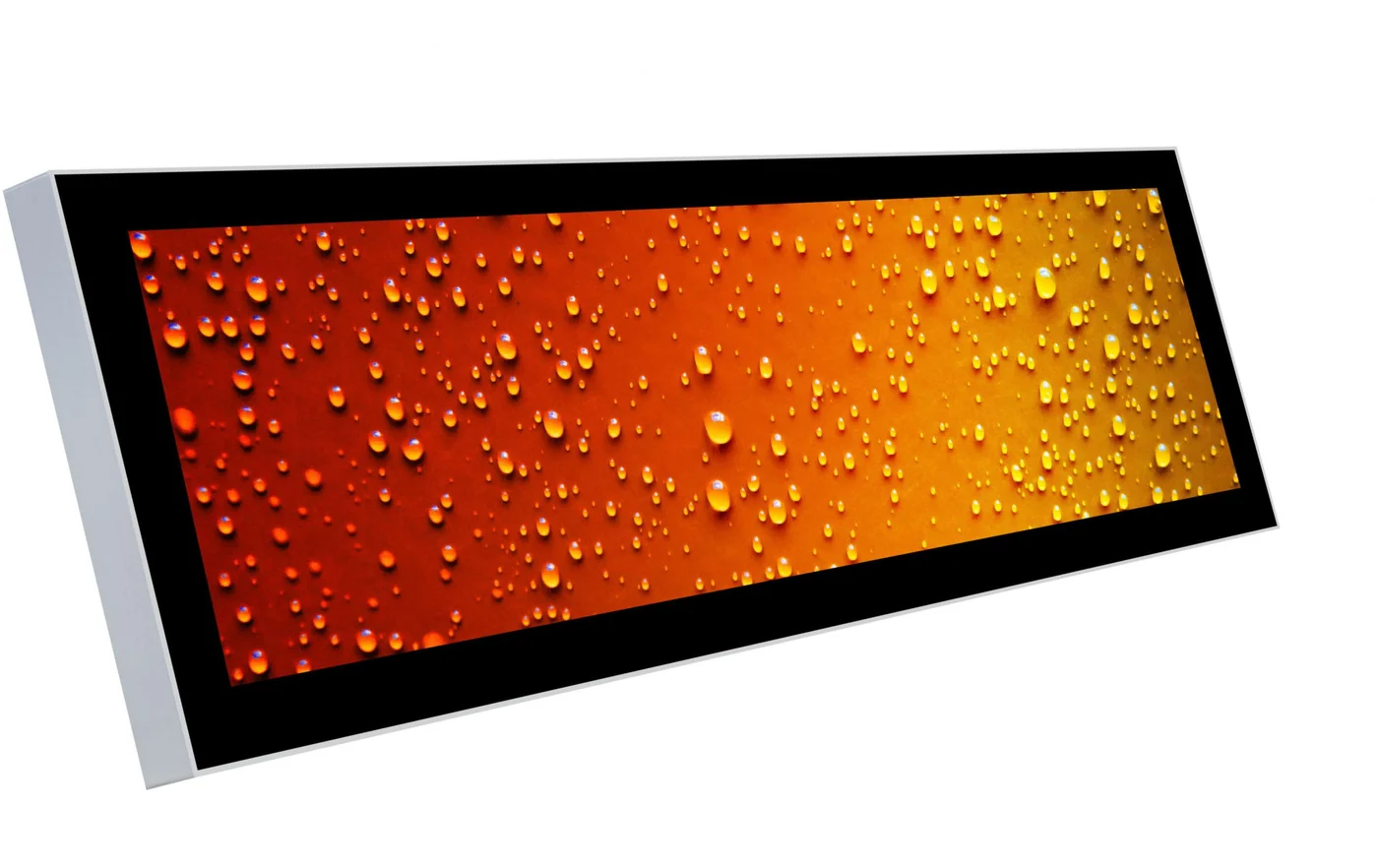
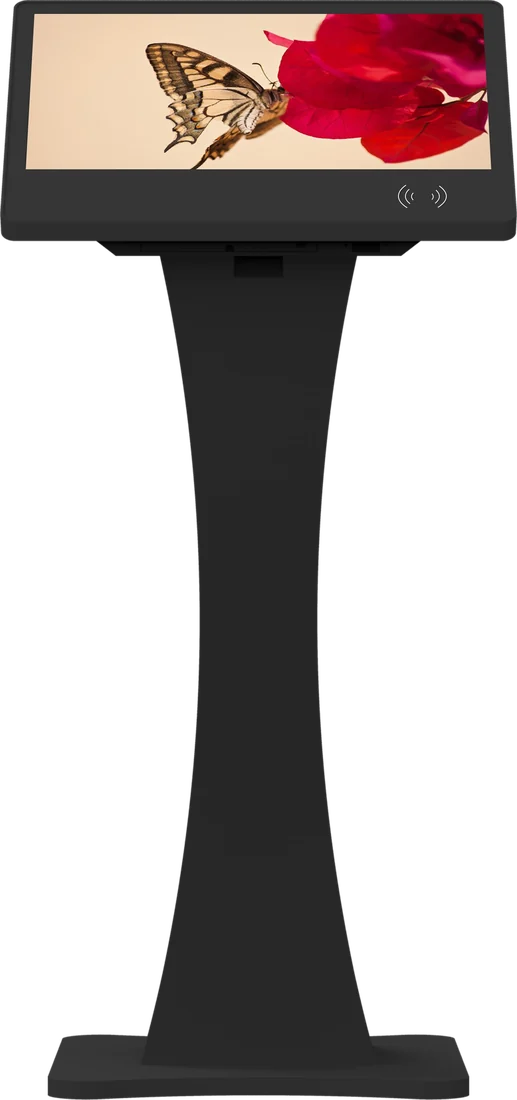
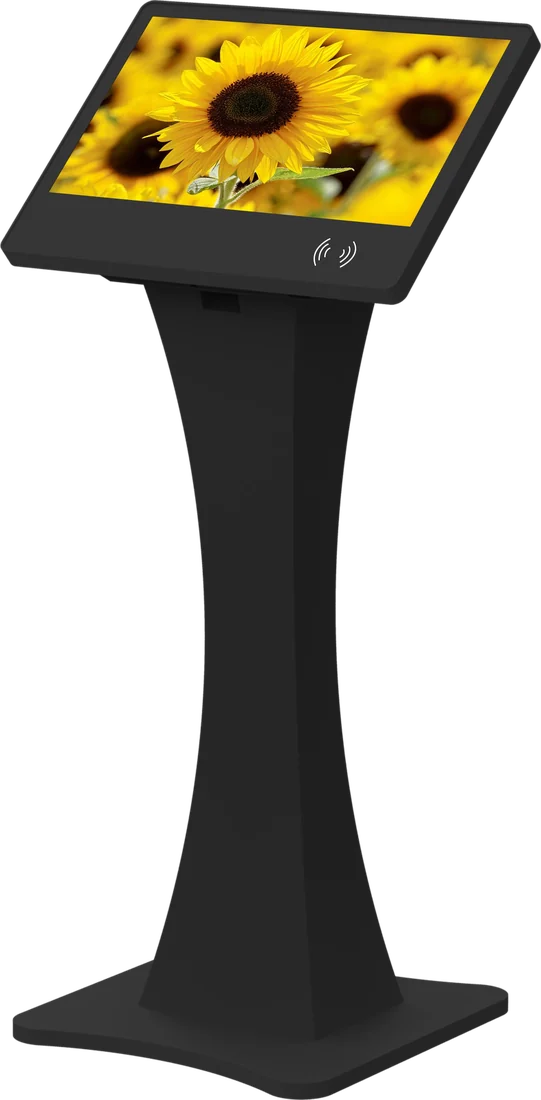
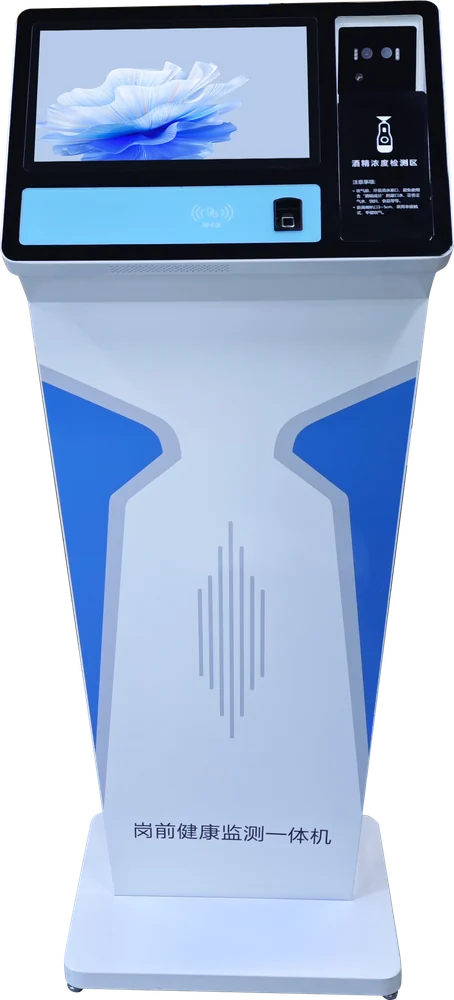
Where these terminals are deployed
A transit display programme usually mixes several form factors on one project. The same board family can feed a freestanding concourse board, a stretched bar above a door and a roadside shelter — what changes is the enclosure, the power input and the brightness package, not the software stack you already own.
| Airport and rail concourses | Large landscape or portrait boards (43″–86″) at 500–700 cd/m² for flight and train boards under glazed daylight. Pedestal or wall mounts; multi-language layouts driven by your FIDS/TIDS feed. |
| Metro platforms and cars | Floor-embedded or wall units for platforms; car PIS terminals on DC train supply with vibration and EMC packages suited to rolling stock. Dual signal paths where a blank screen is not acceptable. |
| Bus interiors | 15.6″–21.5″ panels on wide-range DC (typically 9–36 V) with brown-out protection. Stretched bar LCDs for soffit and luggage-rack positions. |
| Bus stops and shelters | Weatherized, high-brightness enclosures (often 1500–2500 cd/m²) with IP-rated fronts. AC or solar-ready power plans depending on the site. |
| Multi-screen sync programmes | Hardware that locks frame timing or accepts a common media source so a bank of boards stays in step. Layout, playlist and CMS logic remain yours; we deliver terminals that can take the feed. |
What actually drives the hardware choice
Screen size is the easy part. Daylight readability, enclosure weatherization and the power rail at the install point decide whether a standard indoor board will fail within months. Tell us the location first; we map it to one of the transit platforms rather than quoting every brightness tier.
| Daylight and ambient | Concourses behind glass need mid-high brightness; open platforms and shelters need high-brightness panels plus anti-reflective glass so schedules stay legible at noon. |
| Weatherized enclosure | Roadside and platform-edge builds use IP-rated fronts, gasketed service doors and coatings chosen for the climate. Indoor concourse pedestals do not need that package — and should not pay for it. |
| Power system | AC 220 V for stations; DC 24 V / 110 V for metro floor and car duty; wide-range DC for buses; solar-capable plans for remote shelters. Wrong rail choice is the most common field failure we see on third-party imports. |
| Vibration and EMC | On-vehicle boards need mechanical retention and filtering that station boards do not. Rolling-stock programmes often prefer a fixed Linux image over consumer Android for certification continuity. |
| Readability off-axis | Standing passengers rarely face the screen square-on. Wide viewing angle and correct mounting height matter as much as resolution. |
Readability under real station light
A timetable that looks fine in a showroom can wash out on a west-facing platform at 15:00. Anti-reflective glass, correct brightness tier and mounting height are the three levers that fix that without rewriting your PIS layout. We match those levers to the location type you name — airport glazing, metro platform edge, bus shelter roof line — rather than shipping one outdoor-ish brightness for every site.
For banks of boards that must show the same departure list, colour and brightness matching across units matters as much as network sync. We can bin panels and set a common target luminance so a row of concourse boards does not drift into uneven white points. Fail-over behaviour still belongs in your CMS; the hardware job is to accept the feed and stay visually consistent while it does.
On-vehicle programmes add vibration, EMC and the DC rail. A bus interior board that brown-outs every engine crank will reboot mid-announcement. Wide-range DC input and brown-out protection are therefore part of the platform definition. Metro car PIS units go further — rolling-stock vibration profiles and dual signal paths — and are quoted as a distinct platform from station pedestals even when the diagonal looks similar.
OEM boundary — what we supply
Claronix is a display factory, not a turnkey PIS integrator. That boundary is deliberate: it keeps small-batch and non-standard enclosures economic, and it keeps your CMS/layout ownership clear.
| We supply | Display terminal, enclosure/structure, thermal package where outdoor or high-sun, board image (Android or Linux as specified), ports and power harness, private branding and packaging, export documentation for the destination market. |
| You (or your integrator) supply | PIS / FIDS / TIDS software, content layout and languages, schedule feeds, multi-screen playlist logic, site survey, civil works, cabling beyond the terminal harness, and on-site installation and commissioning. |
| Multi-screen sync | We can provision hardware that accepts a common clock or media source and that matches brightness/colour across a bank of units. Sync policy and fail-over behaviour live in your CMS. |
What to send with an enquiry
Location type (airport / rail / metro car / bus / shelter), screen sizes and quantities, mount (wall, pedestal, soffit, floor-embedded), power available on site, indoor vs weatherized, destination country, and whether the enclosure must carry your brand. Platform tables and brightness tiers live on the transit product page; enclosure drawings and private tooling run through Custom / OEM & ODM.
Export programmes and documentation
Transit buyers are often distributors or integrators shipping into regulated transport markets. Tell us the destination country with the first enquiry so mains plugs, labelling language and any certification pack we can support are planned with the hardware. Mixed sizes on one order are routine when a corridor, platform and shelter share a roll-out schedule. Lead times and MOQ follow the same factory rules as our other application lines — feasibility within one business day once sizes, power and quantity are clear.
Plan a transit display programme
Send location type, sizes, quantities, power and country. Feasibility, recommended platform, MOQ and tiered pricing within one business day.