
Gaming monitors · 27-inch
27-Inch Mini-LED Gaming Monitors
Six models on a 27″ 16:9 panel, from a 384-zone VA at 165 Hz to a 1152-zone IPS at 4K. Fast-IPS, IPS and VA options; VESA 75 × 75 on all six.
Which of the six to specify
The split is between speed and resolution. Five models run QHD at 165 or 170 Hz for gaming; one runs 4K at 60 Hz with the highest zone count and the tightest colour tolerance, for content work. Panel technology decides the rest: IPS gives the wider gamut and the lower response time, VA gives four times the static contrast.
| M27NQH-ST | M27NQC-ST | M27NQC-STC | M27NQC-SE | M27NQH-SE / M27NQF-SE | |
|---|---|---|---|---|---|
| Panel | Fast-IPS | Fast-IPS | IPS | VA | VA |
| Dimming zones | 576 | 576 | 1152 | 384 | 384 |
| Resolution | QHD 2560 × 1440 | QHD 2560 × 1440 | UHD 3840 × 2160 | QHD 2560 × 1440 | QHD 2560 × 1440 |
| Refresh rate | 170 Hz | 165 Hz | 60 Hz | 165 Hz | 165 Hz |
| Response | 2 ms GtG | 2 ms GtG | 7 ms GtG | 5 ms GtG | 5 ms GtG |
| Colour gamut | 99% DCI-P3 / 97% Adobe RGB / 100% sRGB | 99% DCI-P3 / 97% Adobe RGB | 99% DCI-P3 / 99% Adobe RGB | 97% / 97% | 97% / 97% |
| Calibration | ΔE < 1.0 | ΔE < 2.0 | ΔE < 1.0 | ΔE < 2.0 | ΔE < 2.0 |
| Colour depth | 1.07 billion | 1.07 billion | 1.07 billion | 16.7 million | 16.7 million |
| Static contrast | 1000:1 | 1000:1 | 1000:1 | 4000:1 | 4000:1 |
| SDR / HDR peak | 900 / 1400 nits | 900 / 1400 nits | 800 / 1400 nits | 800 / 1000 nits | 800 / 1000 nits |
| HDR | HDR 1400 | HDR 1400 | HDR 1400 | HDR 1000 | HDR 1000 |
| USB-C | — | 65 W | 65 W | 65 W | — |
| HDMI | 2.0 × 2 | 2.0 × 2 | 2.1 × 2 | 2.0 × 2 | 2.0 × 2 |
| USB hub | USB 3.0 × 1 | USB 3.0 × 2 | USB 3.0 × 2 | USB 3.0 × 2 | — |
| RGB lighting | Yes | Yes | Yes | Yes | No |
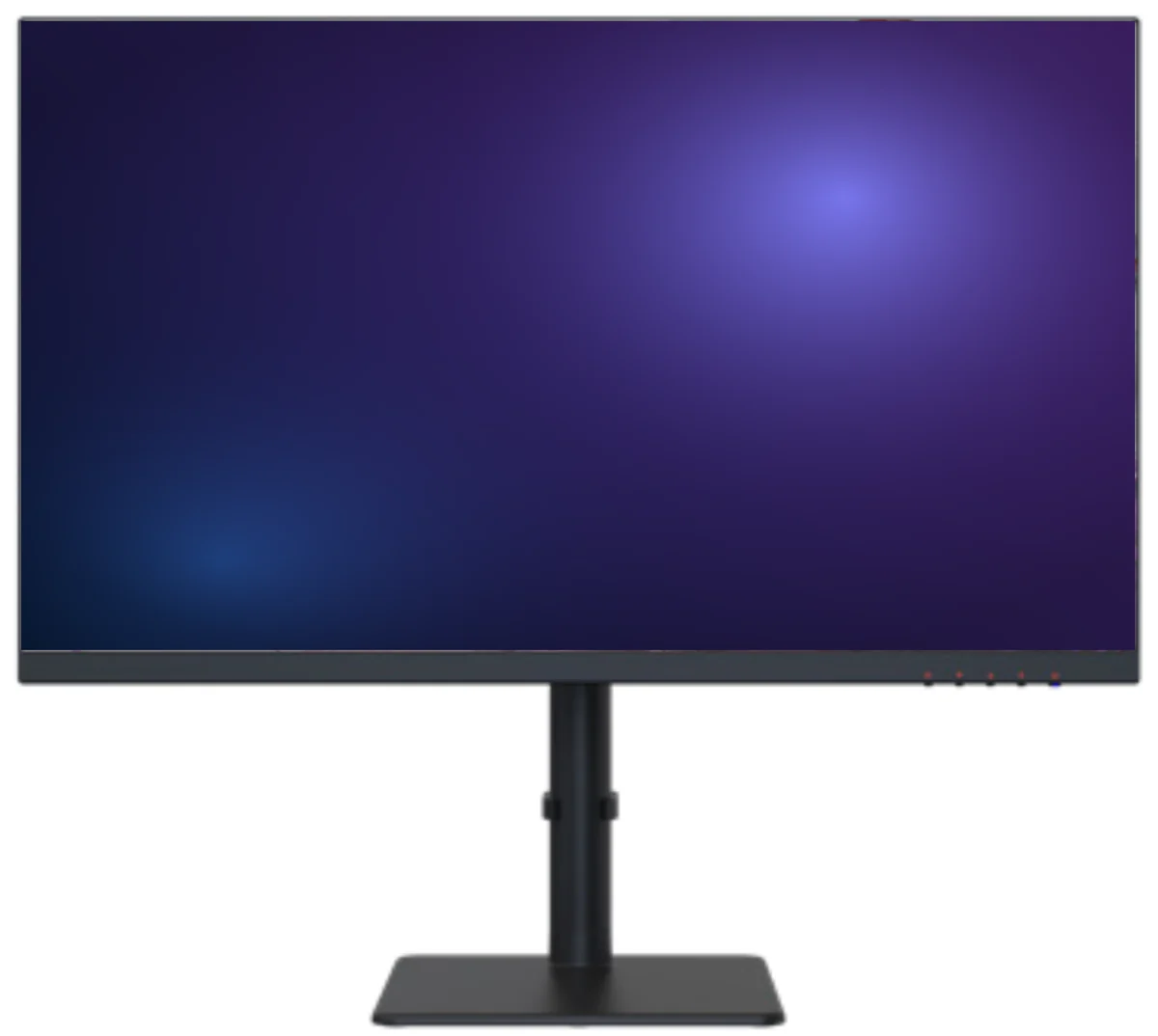
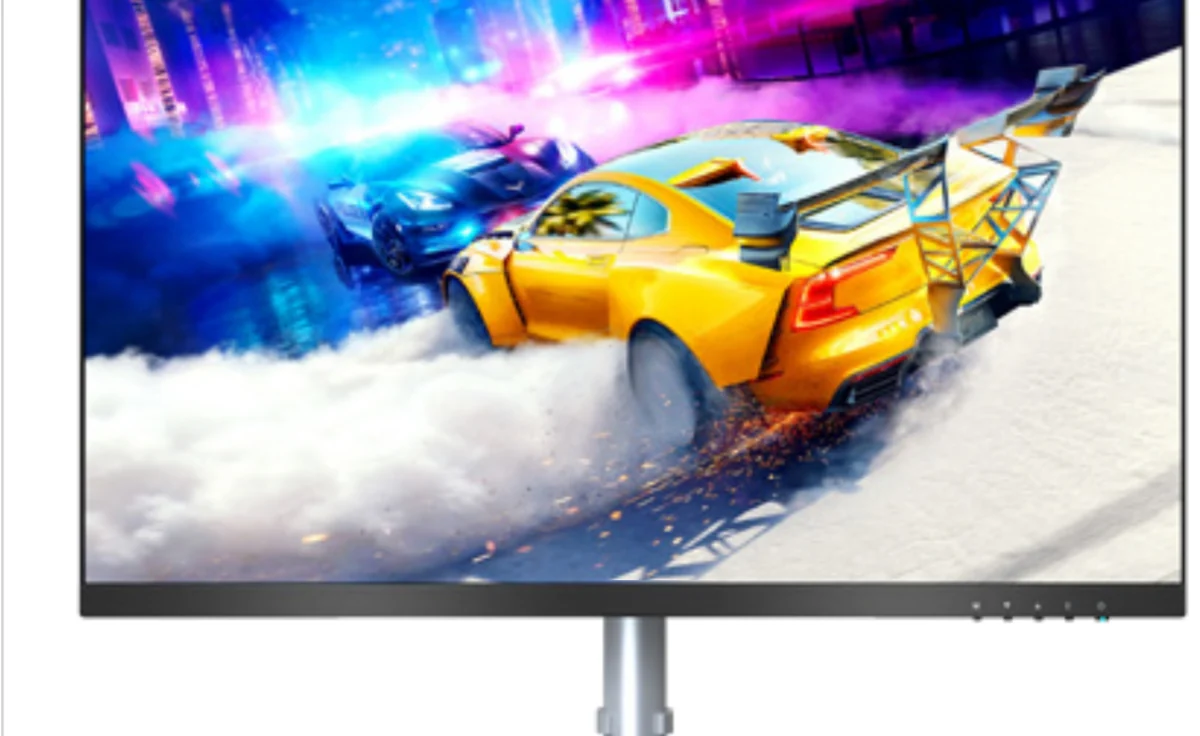
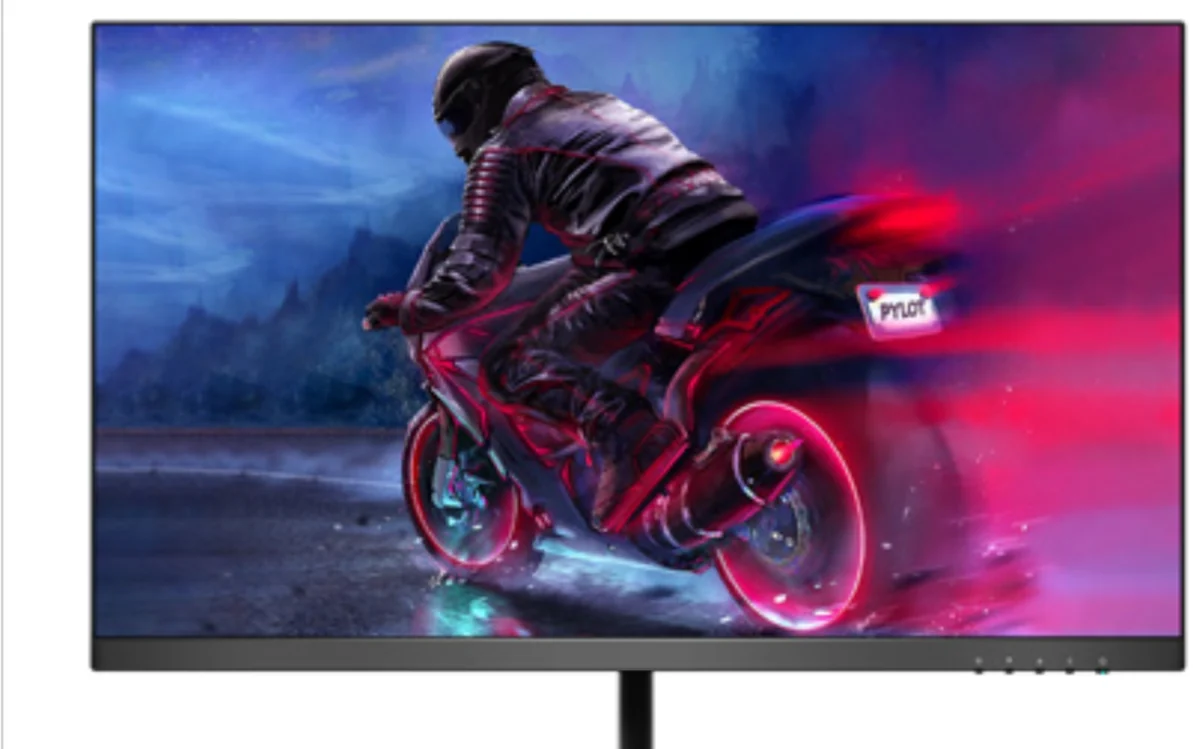
M27NQH-ST is the colour-accurate one
It shares the 576-zone Fast-IPS platform with M27NQC-ST but adds a quantum-dot film, and that is what moves the numbers: 100% sRGB alongside the 99% DCI-P3, and factory calibration to ΔE < 1.0 instead of < 2.0. It also clocks 5 Hz higher at 170 Hz and carries TÜV hardware-level low blue light, which filters without the yellow cast that a software blue-light mode produces.
TRADE-OFFOne trade-off to know before you specify it: there is no USB-C on this model. Video is DisplayPort 1.4 and two HDMI 2.0, with a single USB 3.0 port. If the SKU has to charge a laptop over one cable, M27NQC-ST is the same panel family with 65 W USB-C and a two-port hub, at ΔE < 2.0 and 165 Hz.
The three VA models are not interchangeable
M27NQC-SE, M27NQH-SE and M27NQF-SE share a panel and a backlight, so the picture is the same. What differs is the I/O and the housing. The SE carries USB-C with 65 W power delivery, a two-port USB 3.0 hub and rear RGB lighting; the NQH and NQF are video-only — DisplayPort 1.4 and two HDMI 2.0, no USB, no lighting.
If the monitor sits on a desk with a laptop, the USB-C model replaces three cables with one and is worth the difference. If it goes into an esports venue, a training room or a rental fleet driven from a fixed PC, the video-only models cost less per unit and there is nothing on them to break or be stolen.
Common to all six
| Screen | 27″, 16:9, flat, 178° / 178° viewing angle |
| Video in | DisplayPort 1.4 × 1, HDMI × 2 |
| Audio | 3.5 mm headphone out |
| Adaptive sync | FreeSync (Adaptive-Sync), Over Drive, on-screen crosshair |
| Picture control | Scene and professional presets, six-axis colour, Gamma, PIP/PBP, user hotkeys |
| Mounting | VESA 75 × 75 mm |
| Energy | China Grade 1 energy efficiency |
Looking at larger panels instead? See the 31.5″ models and the 34″ curved ultrawides.
Request the 27″ specification sheet
Tell us the model, the quantity and the destination market. You get the full specification sheet, MOQ, tiered pricing and a lead time within one business day.