
Transit and passenger information displays
Seven terminal platforms built for transport infrastructure: airport concourses, rail stations, metro platforms and cars, bus interiors and roadside shelters. Each is specified for the power system, the vibration profile and the weather its location actually presents.
These are display terminals, not a passenger information system. Your PIS platform, your scheduling backend, your integration — we build and ship the hardware it drives, to your specification and under your brand.

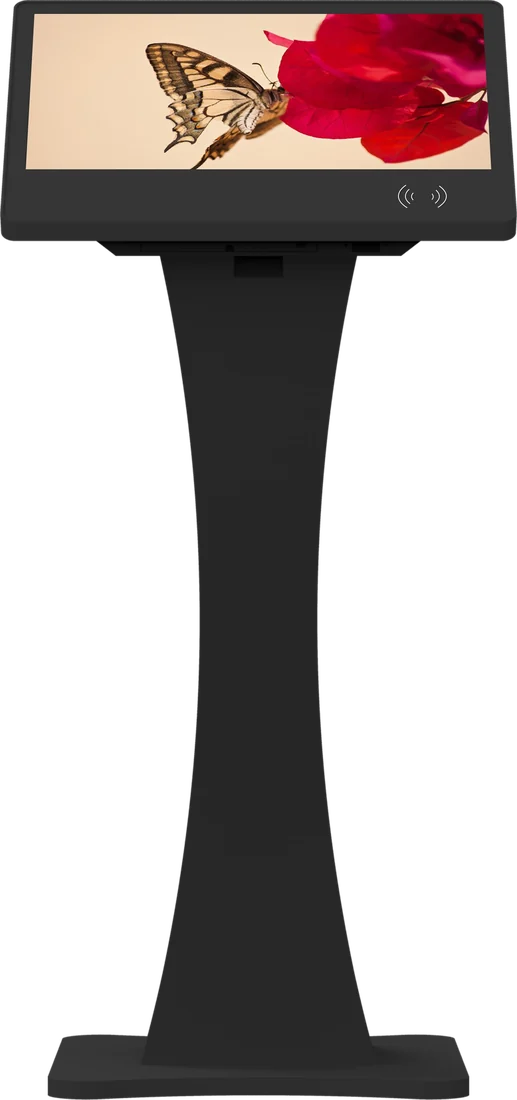
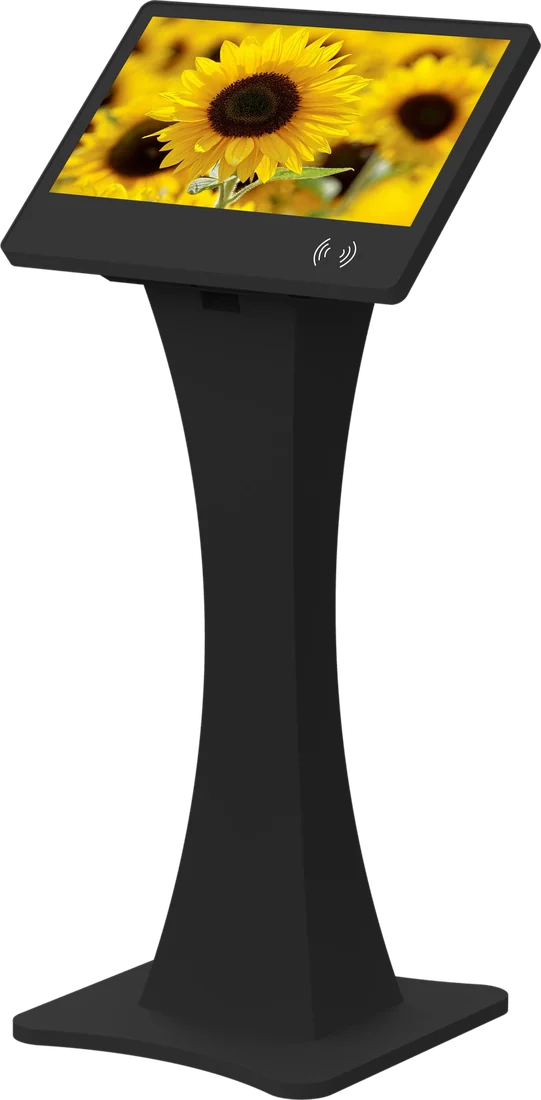
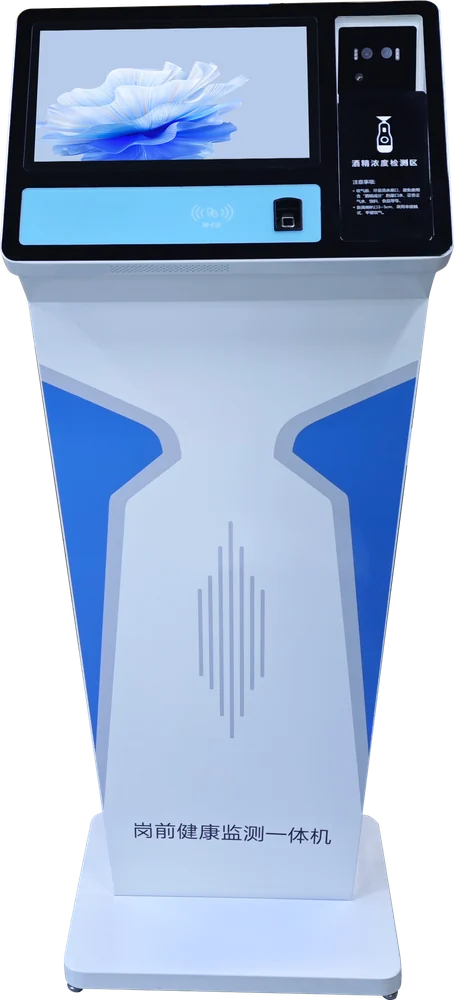
The seven platforms
Note the power column in particular. A terminal for a metro car runs on the car’s DC supply, a bus unit takes wide-range DC straight off the battery, and a shelter unit may have no mains at all. That, more than screen size, is what separates these platforms from ordinary signage.
| Platform | Screen | Brightness | Board / OS | Power |
|---|---|---|---|---|
| Airport terminal | 55″–86″, 4K | 700 cd/m² | RK3588 octa-core, Android 12 | AC 220 V |
| Rail station | 43″–65″, FHD | 500 cd/m² | MTK hexa-core, Android 11 | AC 220 V |
| Metro floor-embedded | 32″–43″, FHD | 1500 cd/m² | RK3288 quad-core, Android 10 | DC 24 V |
| Metro car PIS | 21.5″–32″, FHD | 500 cd/m² | RK3568 quad-core, custom Linux | DC 110 V |
| Bus interior | 15.6″–21.5″, FHD | 400 cd/m² | RK3399 hexa-core, Android 10 | DC 12/24 V, 9–36 V range |
| Bus shelter | 43″–55″, FHD | 1500–2500 cd/m² | RK3588 octa-core, Android 12 | AC 220 V or solar |
| AI concierge | 43″–65″, 4K | 500 cd/m² | RK3588 + AI accelerator, Android 12 | AC 220 V |
Station and concourse
Airport terminal display
Flight information, wayfinding and boarding guidance on one platform, at 700 cd/m² so it stays readable under concourse lighting and daylight through glazing. Designed to take a live feed from the airport’s flight management system for gate changes and delay notices, with multi-language switching for international traffic and an emergency channel that can push evacuation guidance ahead of scheduled content. RK3588 with 8 GB memory drives 4K at the larger sizes.
Rail station terminal
Timetables, seat availability, in-station wayfinding and interchange guidance for ticket halls, waiting areas and exits. The face is toughened impact-resistant glass, because a station terminal in a high-footfall hall takes abuse that an office display never sees. Touch and voice query are both supported, which matters where a portion of passengers cannot or will not use a touchscreen.
Metro floor-embedded terminal
Recessed into the concourse floor and built to be walked on: high-strength steel structure under a toughened glass cover, IP65 against water and dust from cleaning and tracked-in weather. At 1500 cd/m² with an ambient light sensor, it holds up under station lighting and stays legible from standing height. Runs line maps, first and last train times, fares and facility locations.
On board and at the roadside
Metro car PIS terminal
The most demanding platform in the range. It mounts inside the car and runs off the 110 V DC train supply, built to rolling-stock requirements for vibration and electromagnetic compatibility. It takes live running data over MVB or CAN bus from the train control system, and carries dual signal paths so a single failure does not blank the car. Refresh runs at 3840 Hz — no flicker on camera and none of the banding that shows up when a passenger films the screen. Runs custom Linux rather than Android, because the certification path for rolling stock is easier to hold on a fixed kernel.
Bus interior terminal
Wired straight to the vehicle battery with a 9–36 V input range, so it tolerates the voltage sag of engine cranking without a separate converter. Brown-out protection means an abrupt cut does not lose data or corrupt the content partition. GNSS positioning (GPS and BeiDou) drives next-stop prediction locally, so announcements stay correct when the dispatch link drops. Wide viewing angle, because most passengers see the screen well off-axis.
Bus shelter terminal
1500–2500 cd/m² with an ambient sensor driving automatic brightness — bright enough to read in direct sun, and dimmed at night so it neither wastes power nor lights up the street. IP65 sealed for rain, snow and dust, rated across the temperature extremes a roadside enclosure sees. Mains or solar supply, which decides itself by whether the shelter has power. Audio announcement is built in for visually impaired passengers, and a camera can be fitted in the head for footfall counting.
AI concierge terminal
A 4K terminal with an AI accelerator alongside the RK3588, 16 GB memory and a 128 GB SSD, carrying a far-field microphone array and an HD camera. It is built to run an avatar-based enquiry assistant — flight and train lookup, route planning, ticketing questions, lost property — with multi-turn dialogue and speech in more than one language.
To be precise about the division of work: we supply the terminal and the compute in it. The avatar, the speech models and the language coverage are yours or your software partner’s, and the language set that ships in the Chinese market is not the one you will want elsewhere. If you are integrating your own assistant, this is the hardware platform for it.
What has to be respecified for your market
Transit hardware is the least portable category we build, because so much of it is tied to local infrastructure standards. Assume these need changing rather than that they carry over:
- Mains voltage and frequency; the 220 V AC platforms respecify for 110 V markets
- Rolling-stock DC supply — 110 V is the Chinese metro convention and differs by operator elsewhere
- Bus and rail data interfaces: MVB, CAN, or whatever your fleet management system speaks
- GNSS constellation preference, and whether BeiDou is acceptable in your market
- Certification route — rail and roadside equipment carries requirements that vary by country and by operator
- Enclosure, mounting interface and branding, to match existing shelter or car fit-out
None of that is unusual for us — it is the same OEM and ODM process we run on every non-standard build, on the same floor that makes our video wall and portable monitor ranges. Roadside shelter units share their enclosure engineering with our outdoor displays, and station ticketing terminals with our self-service kiosks.
Specify a transit terminal
Tell us where it mounts, what power it has available and which system feeds it. Feasibility, indicative MOQ and tiered pricing come back within one business day.